


The complete guide
How to Choose a Timber Wine Rack That Actually Fits Your Home
The problem with keeping wine in a cupboard
Wine has a habit of spreading out. One bottle on the counter, two in the pantry, a case still in its box under the stairs because you never got around to unpacking it. Nobody plans this. It just happens, one purchase at a time.
The trouble is that scattered wine is wine you forget about. You buy a second bottle of something you already own because you cannot see what you have. You stand bottles upright in a cupboard, the corks dry out, and six months later a wine you were looking forward to tastes flat and tired. And every bottle sitting on a counter is counter space you do not have for anything else.
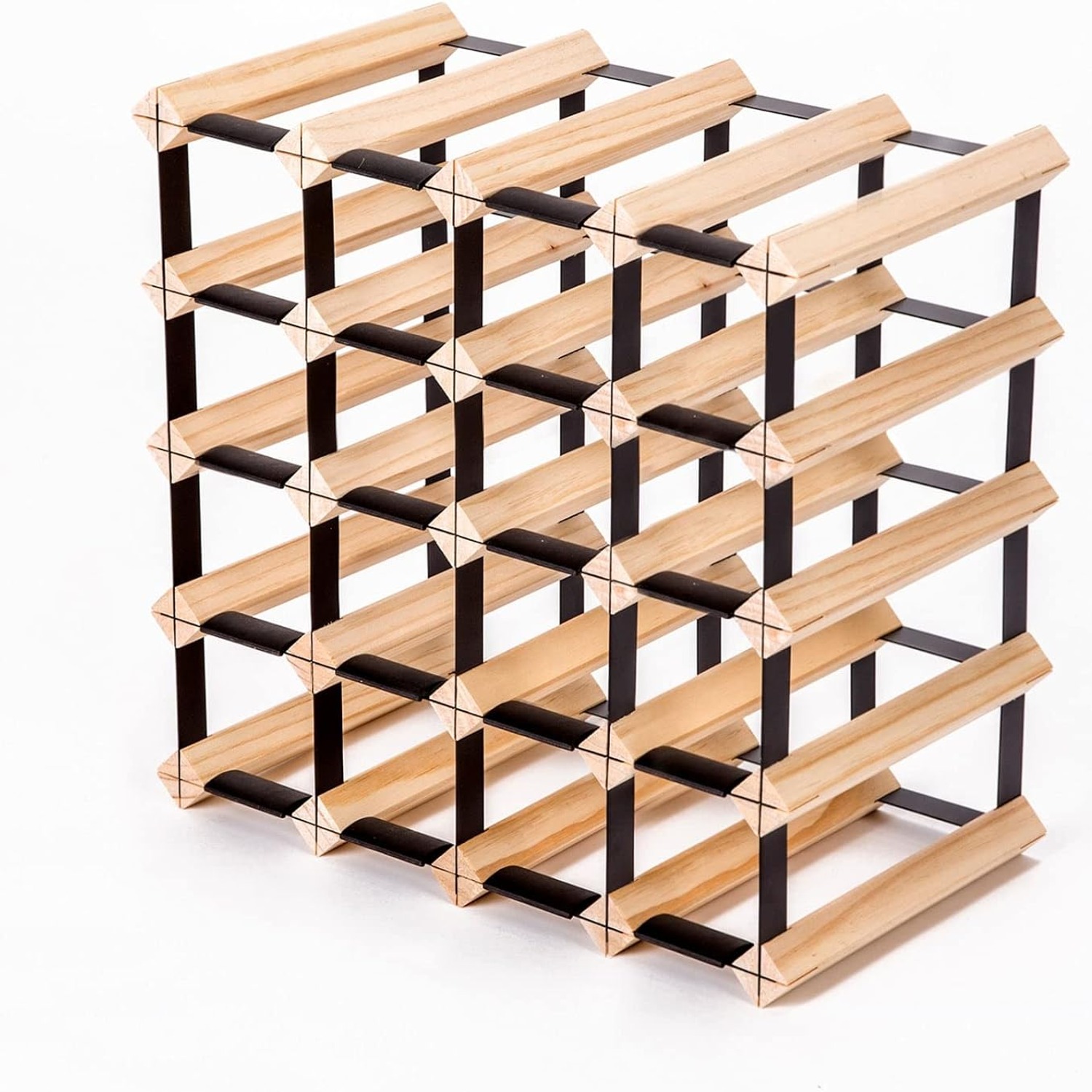
A timber wine rack 20 bottle size solves all three problems at once. Everything is visible, everything is lying flat, and it all lives in a footprint about the size of a microwave.
How a wine rack actually works
There is not much mystery here, but the details matter more than people assume.
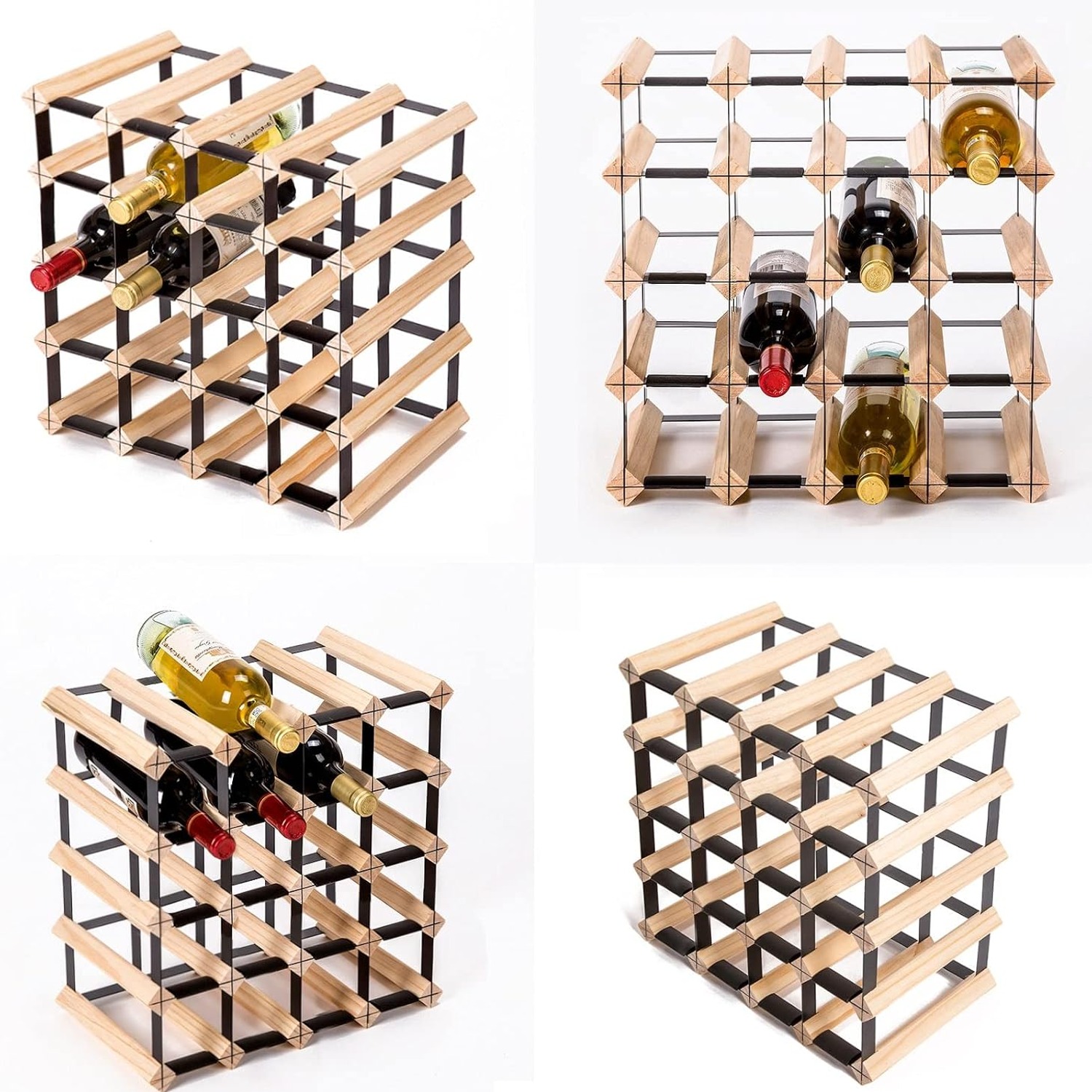
The rack holds each bottle horizontally in its own cradle. Lying flat keeps the wine touching the cork. A damp cork stays swollen and seals the bottle properly. A dry cork shrinks, air sneaks in, and the wine starts to oxidise. That is the slightly dull, slightly sour taste you sometimes get from a bottle that has been standing upright in a warm cupboard for a year.
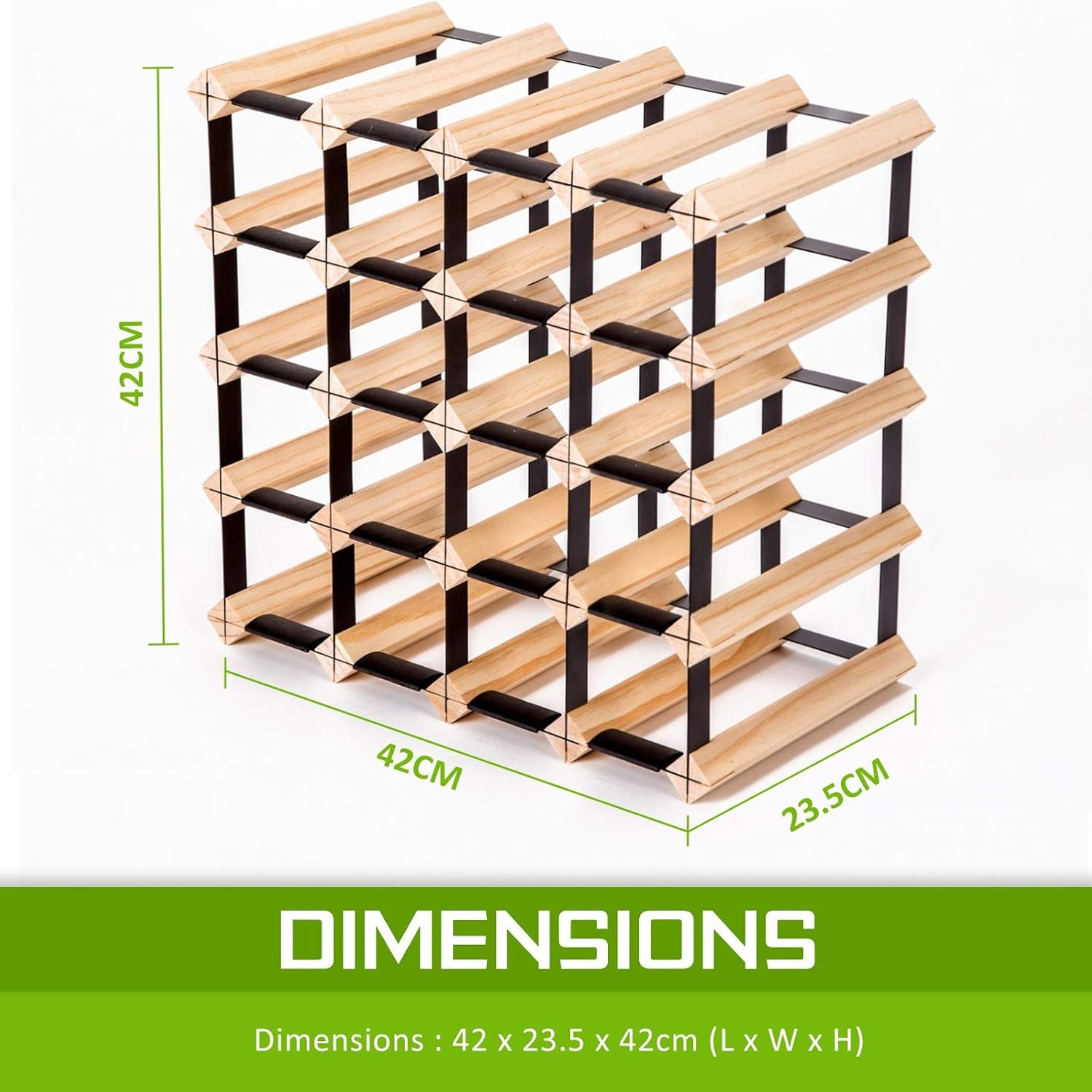
Storing bottles on their sides also saves a surprising amount of room. Upright bottles waste all the vertical space above the shoulder. Horizontal bottles stack neatly into a grid, which is why a unit only 42 cm wide and 42 cm high can hold twenty of them.
The last job a rack does is keep bottles still. Constant vibration is not good for wine over the long term. A solid timber frame on a level surface keeps everything settled, which is one small reason a wooden wine rack is a better home for a bottle than the top of a running fridge.
Who this rack suits
Twenty bottles is a very normal number. It is more than a casual drinker needs and less than a serious collector keeps, which is exactly why it is the size most households land on.
It suits renters and apartment dwellers especially well. If you do not have a cellar, a basement or a spare cupboard, a compact wine rack gives you proper storage without rearranging your life around it. At 23.5 cm deep it will sit on a countertop, slide onto a shelf, or tuck into the corner of a dining room.
It suits people who entertain, too. Having twenty bottles in one place means you can pick something to match dinner instead of grabbing whatever is nearest. And it suits anyone who has just moved in. A wine rack gift is one of the few housewarming presents that gets used in the first week.
Where it is less ideal is if you are buying by the case and holding wine for years. At that point you are looking at cellaring with temperature control, not a counter rack. This is storage for wine you intend to drink in the next while, which for most of us is all the wine we own.
Pine, and what to expect from it
The material here is pine, finished in a natural colour. Pine is a softwood with visible grain and a warm, light tone. That tone is a big part of why it works in so many kitchens. It does not fight with white cabinetry, it does not look out of place against raw brick, and it sits comfortably with other timber without needing to match it exactly.
Being a softwood, pine will take a knock more easily than oak or a dense hardwood. In practice, that is a small trade-off. A rack that lives on a counter or in a corner is not getting much abuse, and the odd mark on timber tends to look like character rather than damage.
The style listed is industrial and the shape is square. That means straight edges and a grid front, nothing decorative. It is the kind of design that stays out of the way, which is usually what you want from a piece of furniture whose job is holding something else.
Working out where to put it
Start with the measurement, not the vibe. The rack is 42 cm wide, 23.5 cm deep and 42 cm high. Pull out a tape measure and check the spot you have in mind, paying particular attention to the height. The most common mistake is forgetting about an overhead cupboard and discovering at assembly time that the rack clears the counter by 38 cm.
Then think about conditions. Three things are unkind to wine, and they are heat, light and movement. That rules out the top of the fridge, the sunny end of the counter, the cupboard beside the oven, and anywhere above a dishwasher that runs every night.
Good spots are the shaded side of a kitchen, a pantry shelf, a dining room corner, or a hallway nook. Cool and steady beats cold and swinging. A pantry that sits at a consistent temperature year round will do more for your wine than a spot that drops cold overnight and warms up every afternoon.
The specification lists the mounting type as wall mount. If you want it fixed to a wall rather than standing on a surface, work out what your wall is made of first and use fixings rated for the full loaded weight. Twenty bottles plus the rack is a meaningful load, so this is not a job for a couple of drywall plugs and hope.
Assembly, without the frustration
The rack ships flat and requires assembly. A user manual is included.
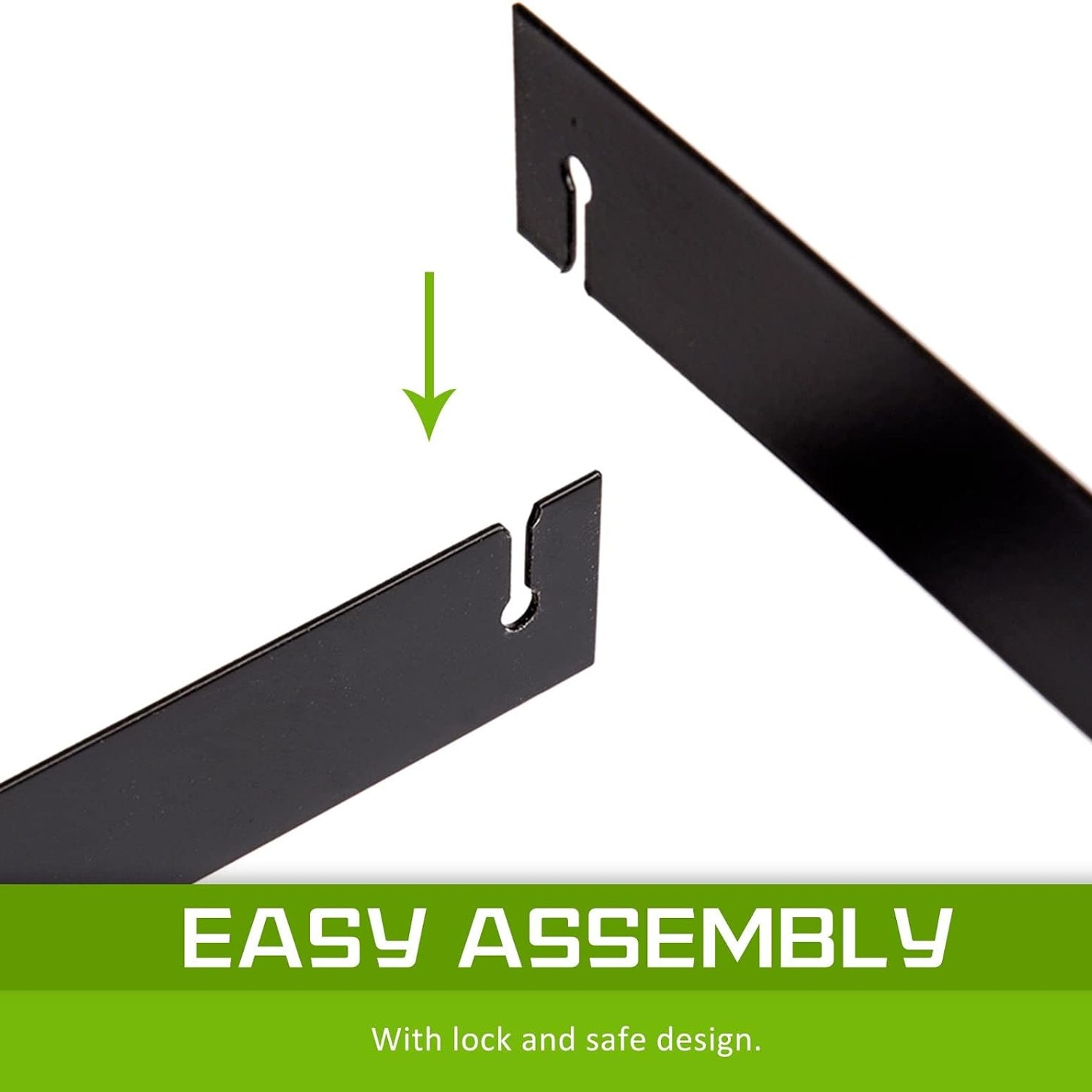
A few things make it go smoothly. Lay the parts out on a towel or a rug so the timber does not get scratched against a hard floor. Read the manual through once before you start rather than halfway in. Hand-tighten all the fixings loosely first, get the frame square, then go back and tighten everything properly. Fully tightening one corner before the rest is lined up is how racks end up slightly twisted.
Build it near where it is going to live. Empty, it weighs 3.6 kg, which is easy to carry. Loaded, it is a different story, so place it before you fill it.
Looking after it
The care instruction is simple. Wipe it with a dry cloth.
Dust settles on horizontal timber, so a quick pass every few weeks is all most racks ever need. If something sticky lands on it, a barely damp cloth followed immediately by a dry one is fine. What you want to avoid is soaking the timber, because pine does not enjoy standing water and the grain can lift.
Every few months, give the fixings a check. Any assembled timber furniture can loosen slightly over time, particularly if it has been moved. A quarter turn on each bolt keeps the frame tight and quiet.
If you spill wine on the rack, deal with it promptly. Red wine on untreated light timber is easier to lift when it is fresh than when it has sat overnight.
A word on capacity
People often ask whether they should size up. The honest answer is that twenty bottles is enough for most homes, and a rack that is permanently half empty is just furniture.
The exception is bottle shape. A standard 750 ml Bordeaux bottle is what this capacity is built around. Sparkling wine bottles are noticeably wider, and some Burgundy and Rhone bottles are wider again. If your collection leans heavily towards those, plan on fitting somewhere under twenty rather than exactly twenty.
If you consistently hold more than twenty bottles, two units side by side is a cleaner answer than one oversized rack, since you can split reds and whites and move them independently.
What we do not know
A couple of fields are blank in this product record, and we would rather say so than fill them with guesses. The country of origin is not specified. No warranty terms are stated. There is no sealant or surface coating listed beyond the natural pine colour.
What is specified is this: pine, natural, 20 bottles, 3.6 kg, 42 x 23.5 x 42 cm, model FT-WWR03-20, assembly required, one rack and one manual in the box.
The short version
If your wine is currently living in four different places around the house, a 20 bottle rack fixes that for the price of a decent bottle or two. This one is pine, compact enough for a countertop, and plain enough to suit almost any kitchen.
Measure the space, pick somewhere cool and out of the sun, build it where it is going to live, and wipe it with a dry cloth now and then. That is genuinely the whole job.