
The complete guide
How to Choose and Fit an Under-Cabinet Wine Glass Rack
The problem with storing wine glasses
Wine glasses are badly designed for cupboards. They are tall, they are fragile at exactly the point where you grab them, and they will not stack. So they end up in one of three places. Standing bowl-up on a shelf where they collect dust. Standing bowl-down on a shelf where the rim takes the weight and picks up every scuff. Or crammed in a row at the back of a cupboard where one careless reach takes out two of them.
None of that is good storage, and none of it is quick. If getting a glass out means moving three other things first, you are less likely to use the nice ones.
An under cabinet wine glass rack fixes this by using space that is already there and doing nothing. The gap under a kitchen cabinet, a floating shelf or a bar overhang is dead air. Hang a rail there and that dead air becomes storage for four or five glasses, with zero loss of shelf or counter space.
How a hanging stemware rack works
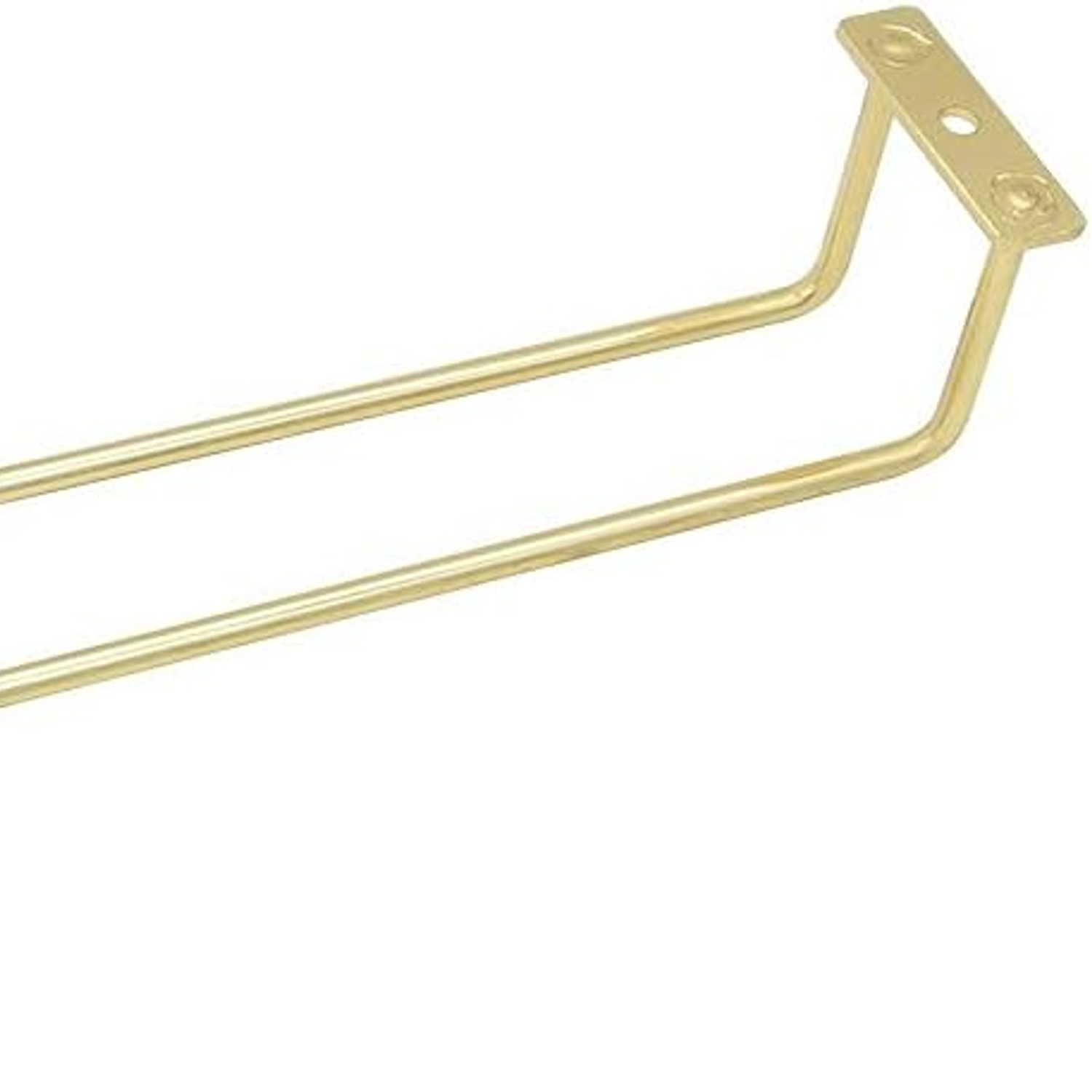
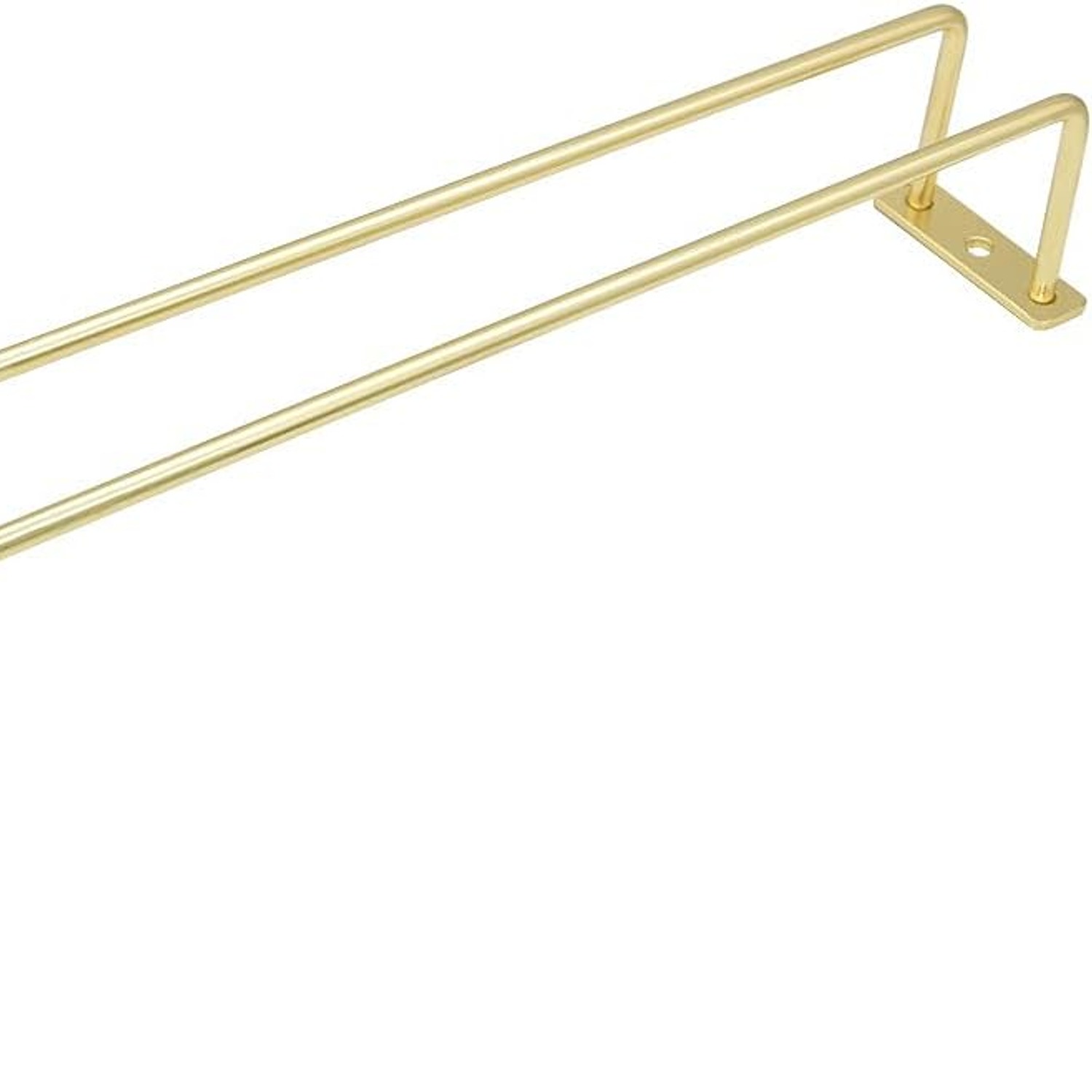
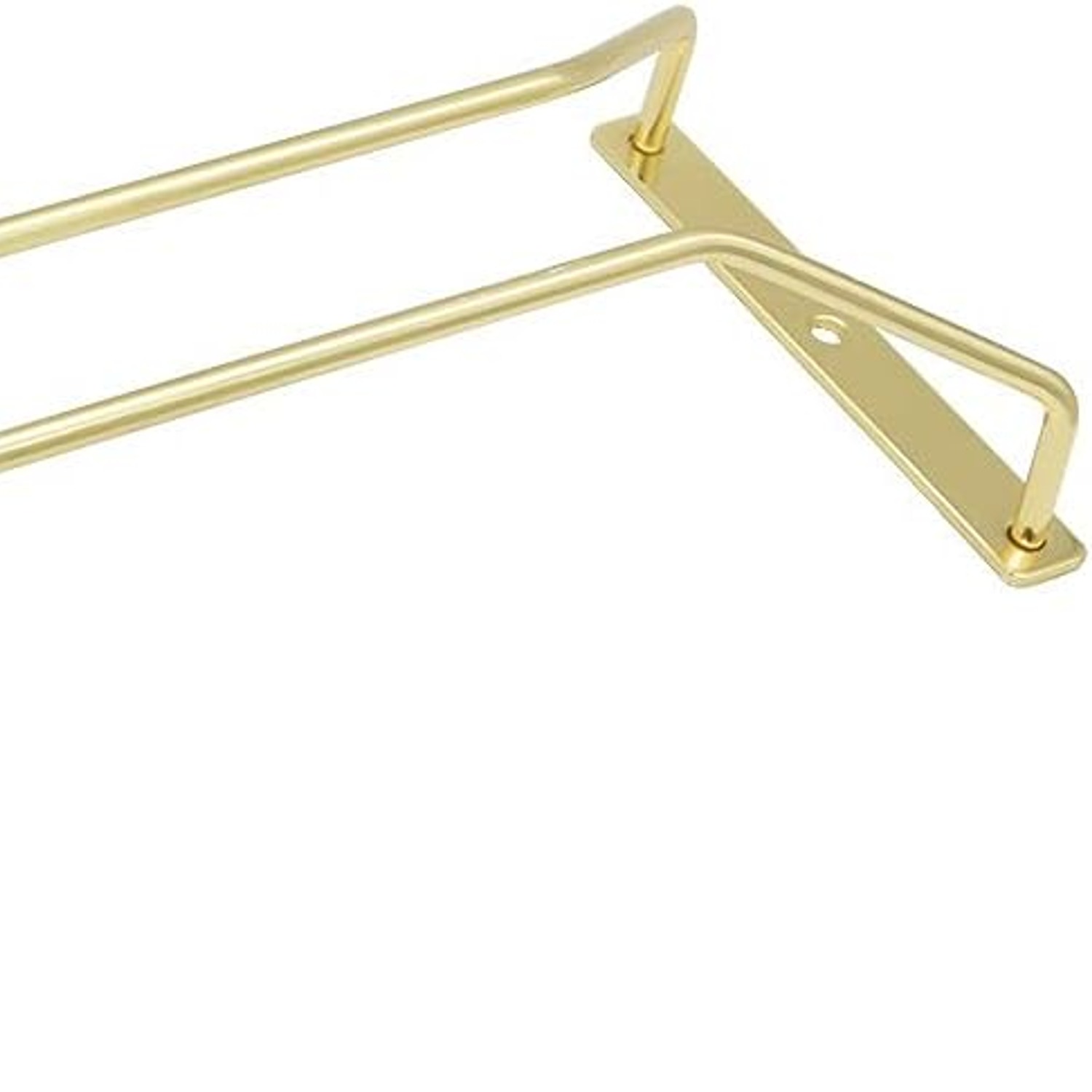
The idea is simple. A rail runs front to back under your cabinet, with a slot cut along it. The stem of the glass slides into the slot. The base of the glass sits above the rail, the bowl hangs below, and gravity does the rest. The glass is held at the one point that is strongest and least used, the stem, rather than resting on the rim or taking weight through the bowl.
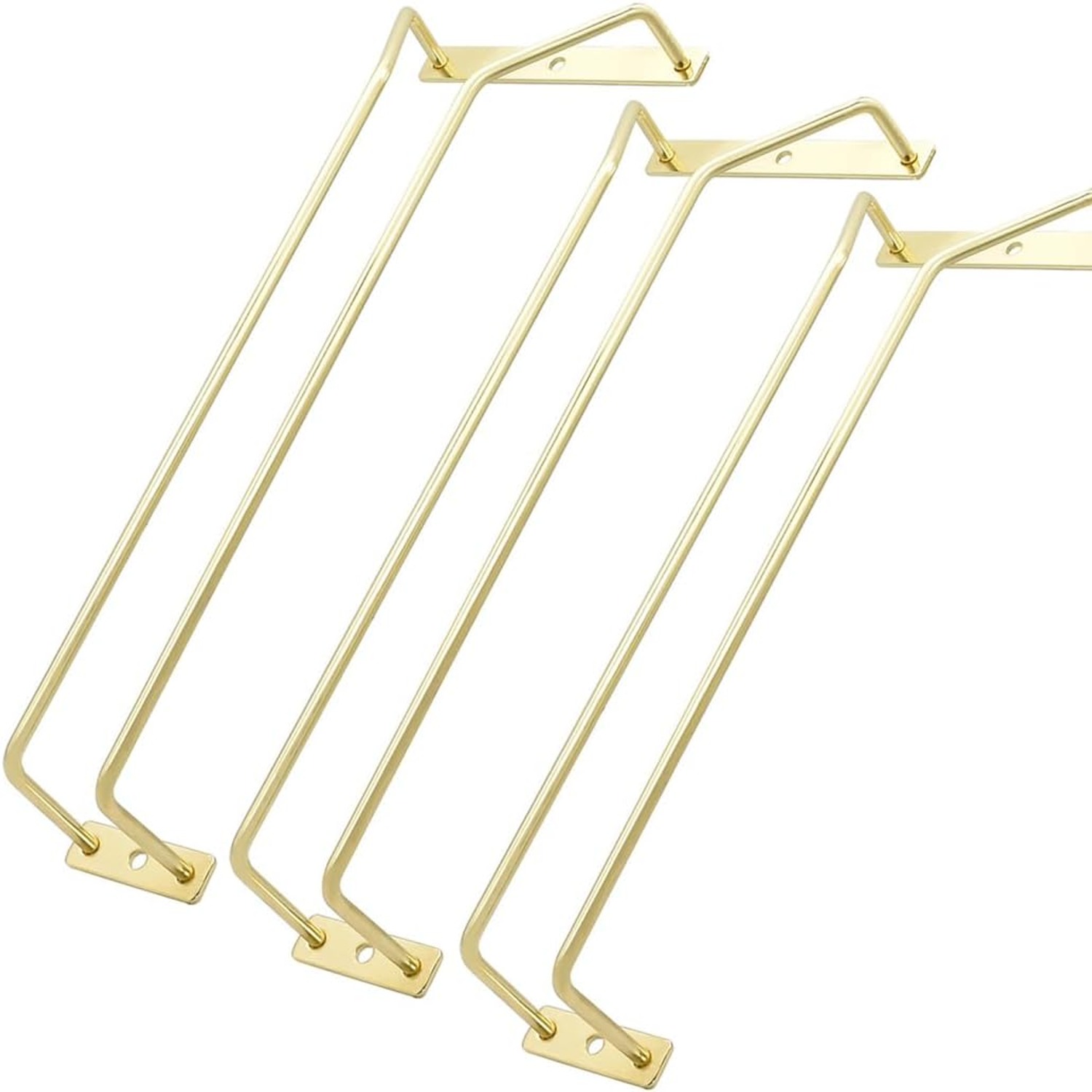
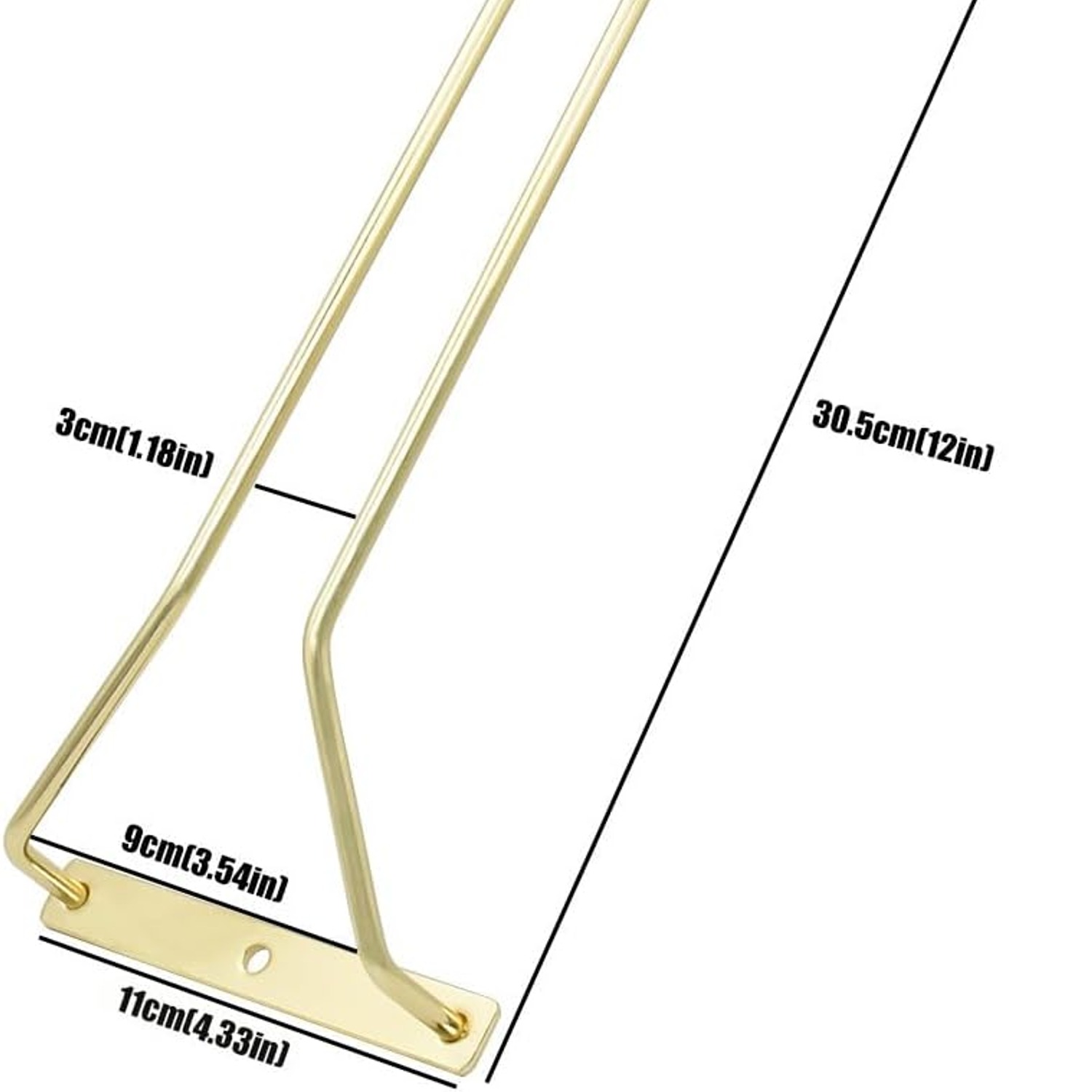
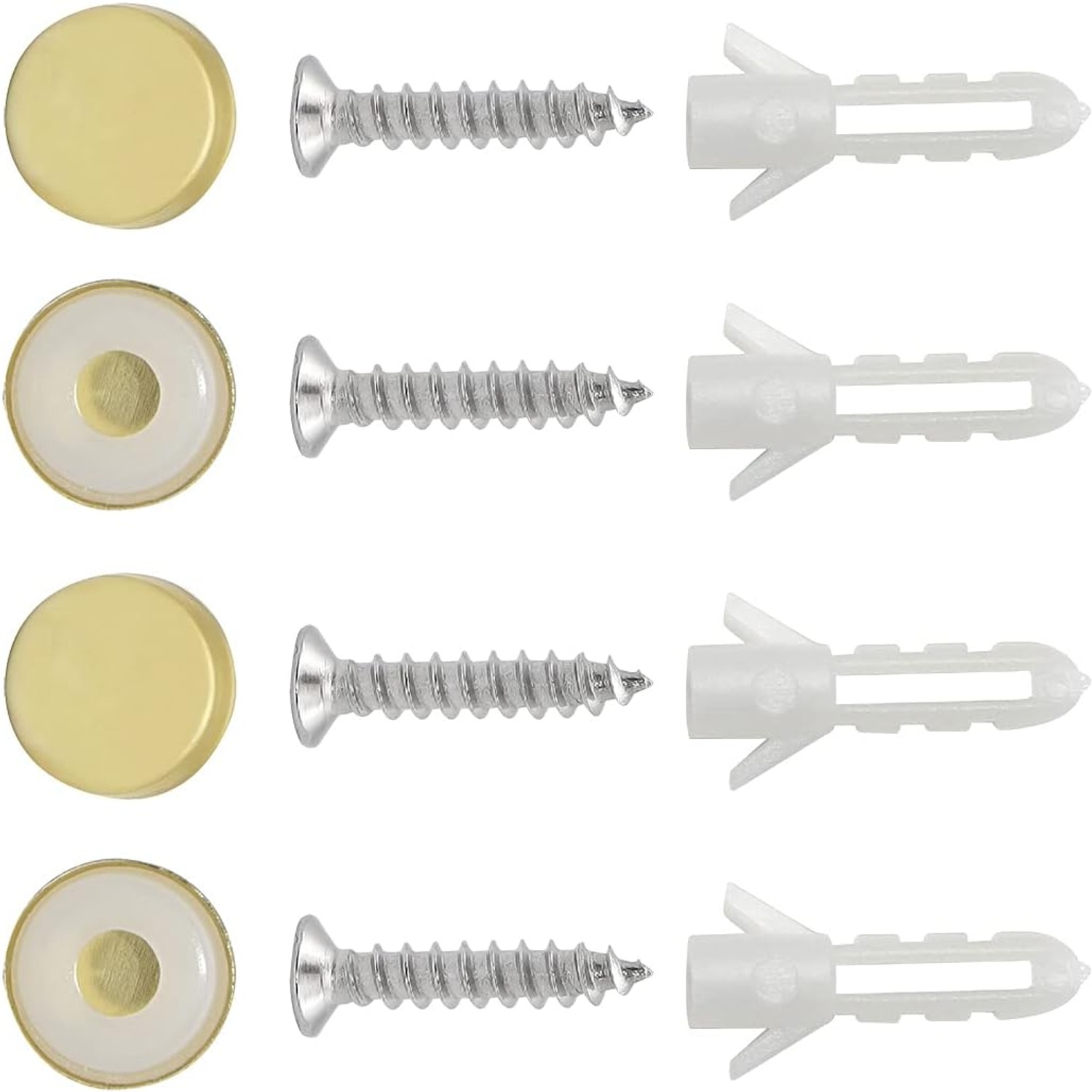
This set gives you three rails rather than one wide unit. Each rail is 30.5cm deep, 10.8cm wide and 5.1cm high, and holds one row of glasses. You can mount a single rail if that is all the space allows, or run all three side by side for a longer display. Six screws come in the pack.
Hanging the glasses upside down has a practical payoff beyond looks. Dust falls downward, so it settles on the outside of the bowl rather than the drinking surface. If you hang them straight after rinsing, the last of the water drains out instead of sitting in a puddle at the bottom. And because each glass has its own slot, they never touch, which is the single biggest cause of chipped rims in a crowded cupboard.
Who this suits
Anyone short on cupboard space is the obvious candidate. Small kitchens and apartment galleys benefit the most, since every centimetre of shelf matters and the space under the cabinets is usually wasted.
It also suits people building a home bar. Three rails in a row under a shelf, with the glasses lined up and the bottles below, gives you a bar that works rather than a bar that just looks like one. The brushed gold finish is a deliberate accent here, warm rather than flashy, and it sits comfortably against timber, white and darker navy or green cabinetry.
If you entertain, even occasionally, having glasses visible changes how often you use them. A good glass that lives in the back of a cupboard gets used twice a year. A good glass hanging at eye level gets used on a Tuesday.
It is less suited to renters who cannot put screws into joinery, and it is not the right pick if your glasses have unusually thick stems or very wide bases that will not pass through a standard slot. Check your glasses first, which brings us to the next part.
How to choose and plan your fit
Start with three measurements. First, the depth of your cabinet underside from front edge to back. The rails need 30.5cm of that depth, and ideally you want them sitting slightly back from the front edge so they are not the first thing you walk into.
Second, the clearance below. Measure from the underside of the cabinet down to whatever is below it, usually a countertop or a shelf. You need the height of your tallest glass plus a few centimetres so you can actually lift the glass up and slide it out. A big burgundy glass can run well over 22cm, so do not assume.
Third, the base width of your glasses. This is the one most people skip. Hold a glass up and look at how wide the bowl is at its widest point. That width tells you how much gap to leave between rails and how many glasses will realistically fit along one rail. Flutes and slim whites will give you four. Fat red wine bowls might give you three.
Then think about the cabinet material. These rails screw up into the timber on the underside. Solid wood is the easiest. Plywood and thicker particle board will usually hold fine. If your cabinet base is very thin, look for a spot over a frame member or internal rail where there is more material to bite into.
Fitting it without drama
Mark before you drill. Hold a rail where you want it, pencil the screw positions, then step back and check it looks square against the cabinet front. Doing one rail first and using it as the reference line for the other two keeps the row straight.
If your cabinet is hardwood, a small pilot hole made with a thin drill bit saves your wrist and stops the screw wandering. Softer boards usually take the screws straight in with a hand screwdriver.
Check the screw length against your cabinet base thickness before you commit. If the supplied screws are longer than your board, swap them for shorter ones of the same gauge. You do not want a screw tip poking up into the inside of your cupboard.
Once the rails are up, load them gradually. Slide a glass in, check the swing, and make sure neighbouring bowls are not touching. Adjust your spacing while it is still easy to change your mind.
Keeping it looking good
Brushed gold is forgiving, but it is not maintenance free. A soft damp cloth and a dry-off afterwards is the whole routine. Avoid abrasive pads and scouring powders, which will dull the brushed texture, and skip bleach-based sprays near the finish.
In a kitchen, the thing that builds up is cooking film. A quick wipe every few weeks stops it getting sticky. If the rails sit above a cooktop or very close to one, expect to wipe them more often.
Dry the stems and bases of your glasses before hanging. Letting water sit against metal over months is never a good idea, and it takes two seconds to avoid.
Lastly, check the screws now and then. Anything that gets repeatedly loaded and unloaded can work a screw loose over a year or two. A quarter turn with a screwdriver every few months is all it needs.
The short version
If you are out of shelf space and tired of hunting for a clean glass, this does the obvious job well. Three rails, 30.5cm deep each, brushed gold alloy steel, screwed into the underside of a cabinet with the supplied screws. Each rail takes roughly three to four glasses depending on bowl width.
Measure your cabinet depth, your clearance below and the widest point of your glasses before you order. Get those three numbers right and the rest is a ten minute job with a screwdriver. After that, your glasses stay clean, stay apart, and stay within reach.